Racks & rigs
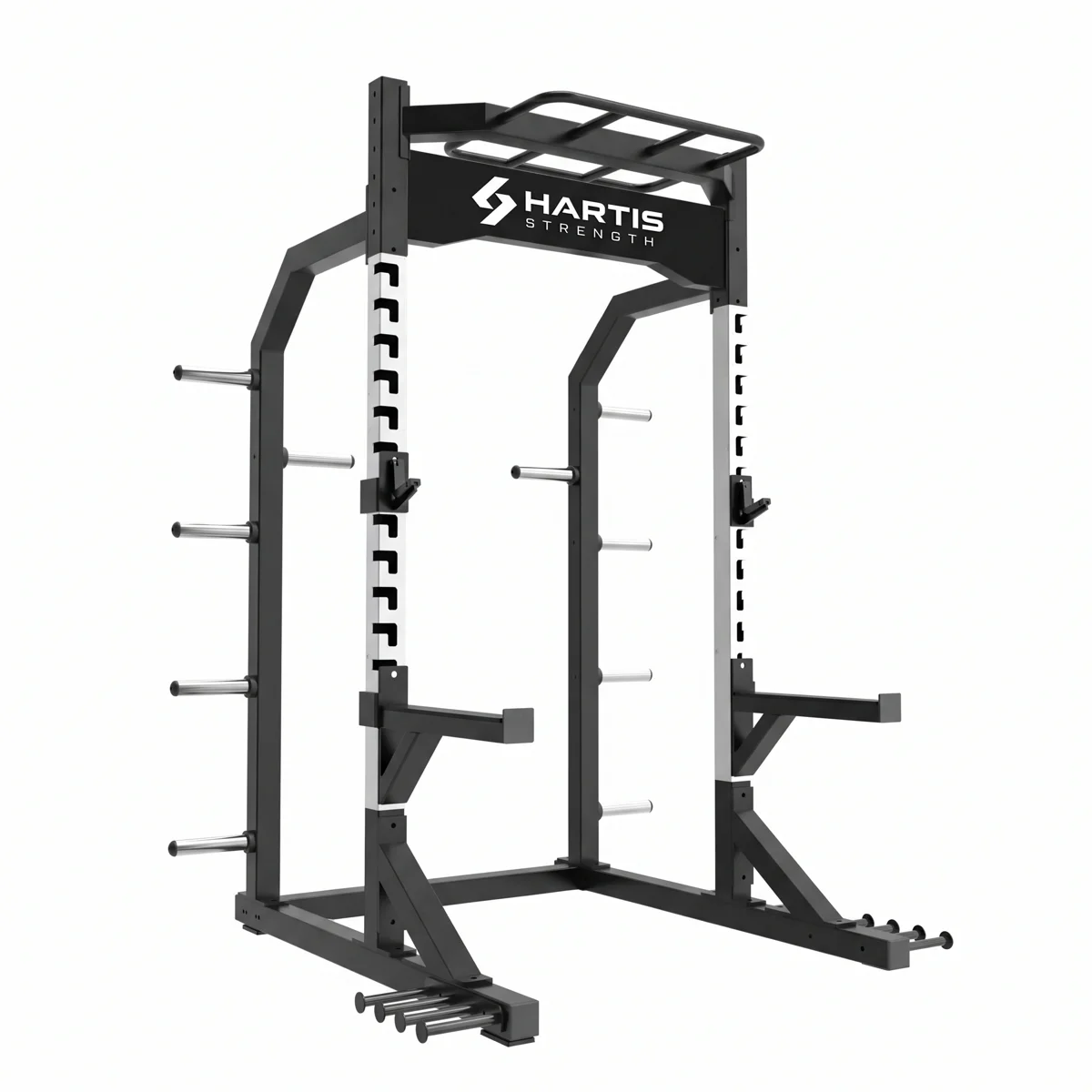
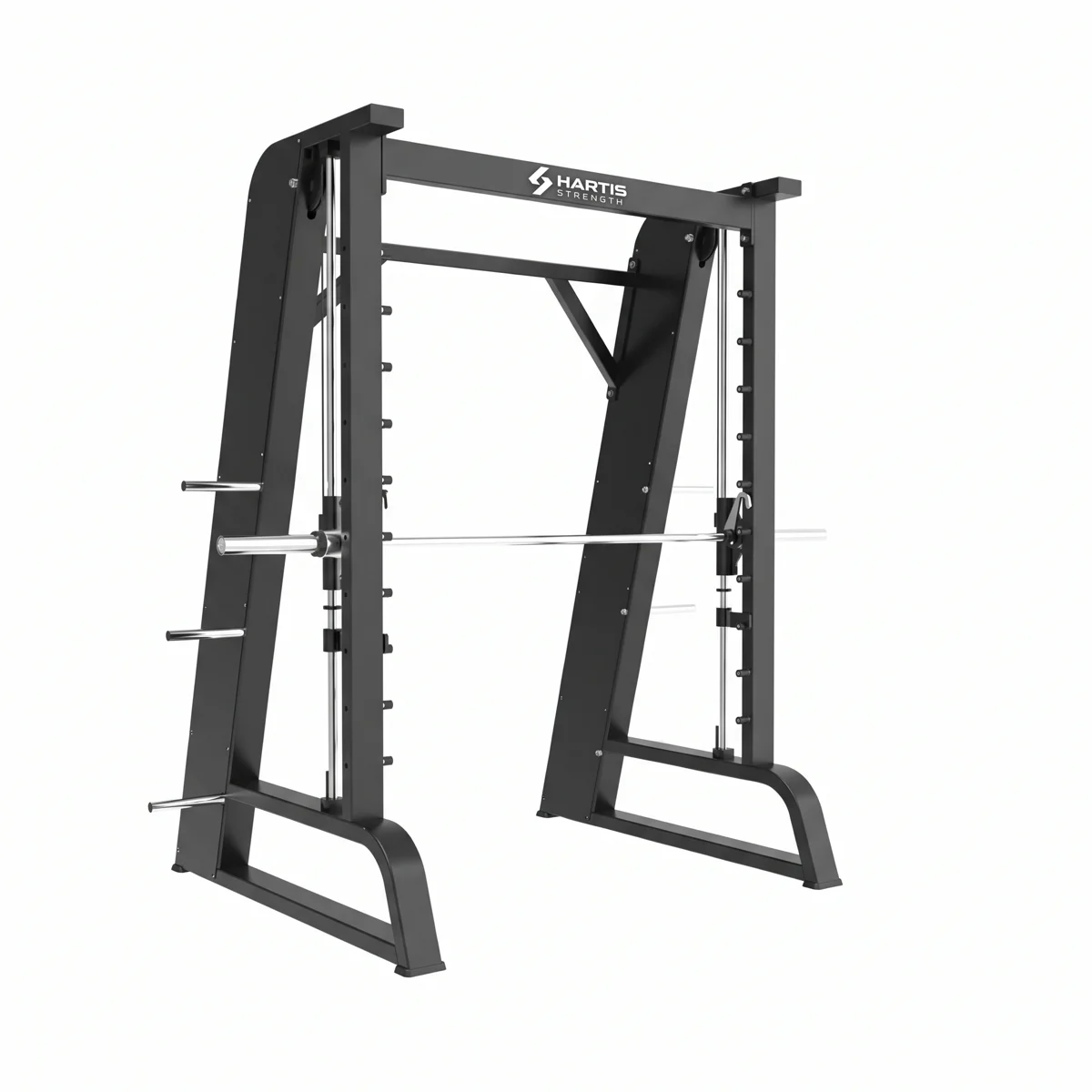
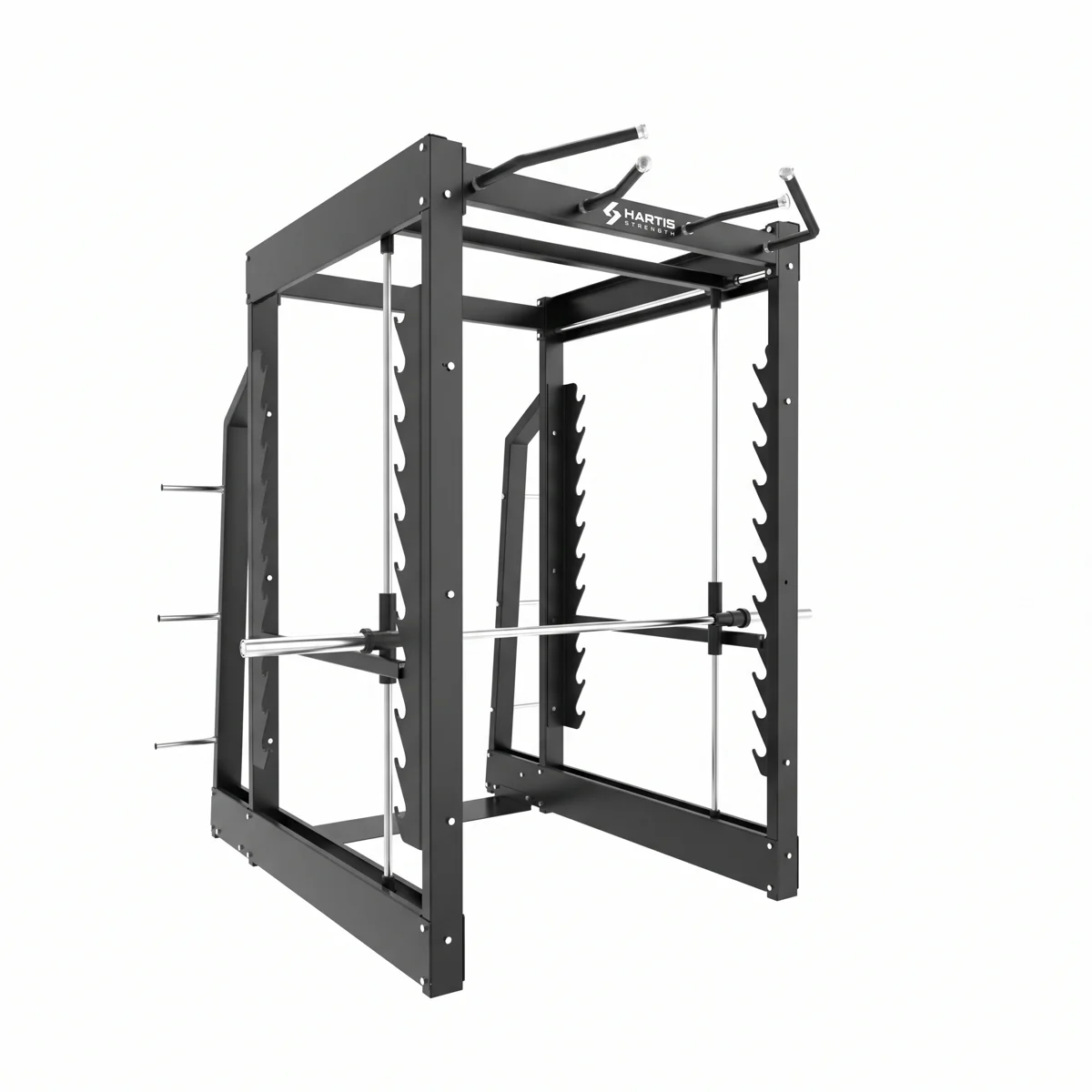
Free-weight racks for commercial gyms — power cages, squat racks, Smith machines, combo units and lifting platforms, built to order and delivered DDP across Europe. 18 models in the FRAME collection across 5 lines, all on 100 × 50 × 3 mm uprights with 50 mm Westside hole spacing as standard. Same powder coat and upholstery palette as every other HARTIS line — your floor matches regardless of the equipment mix.

Product lineup
18 MACHINES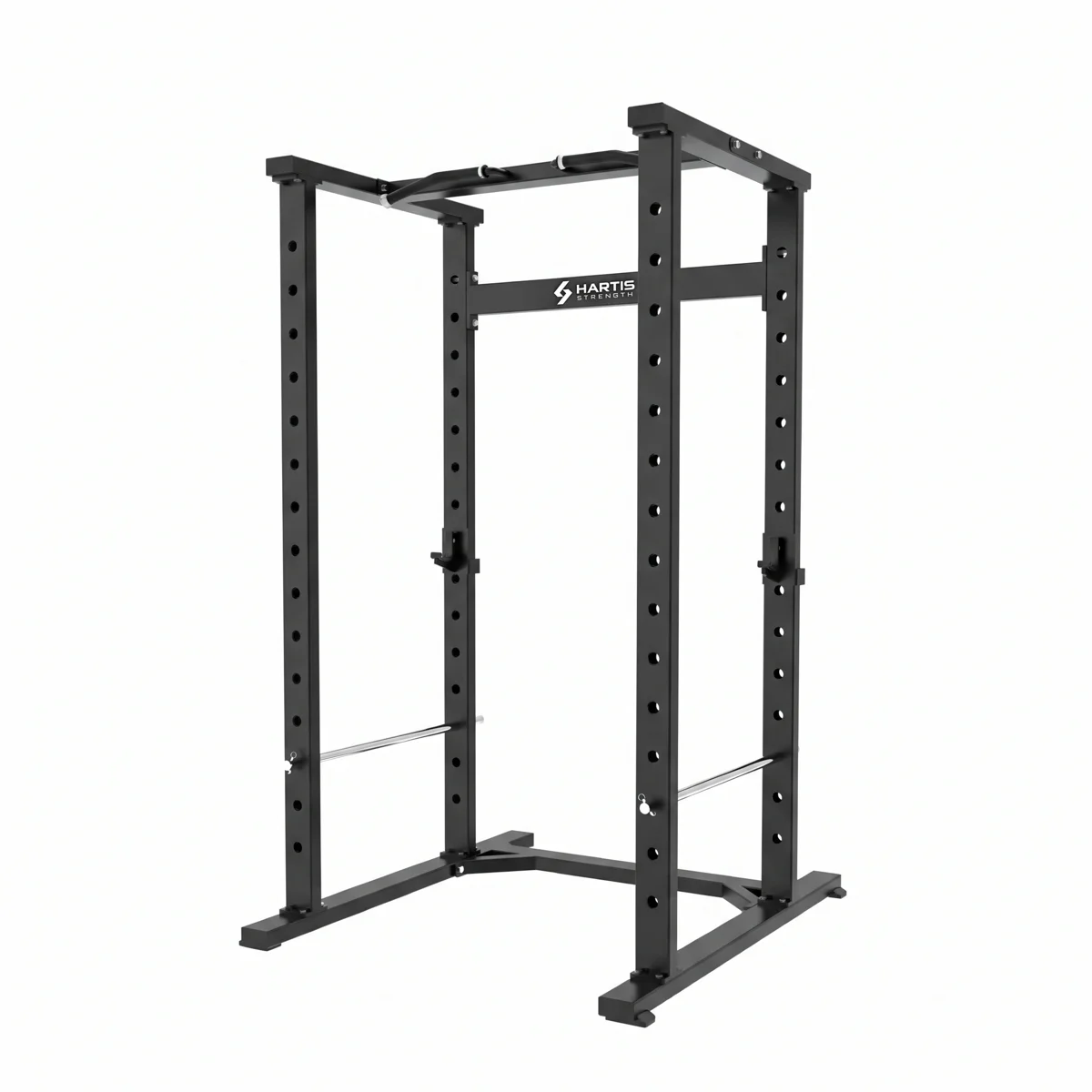
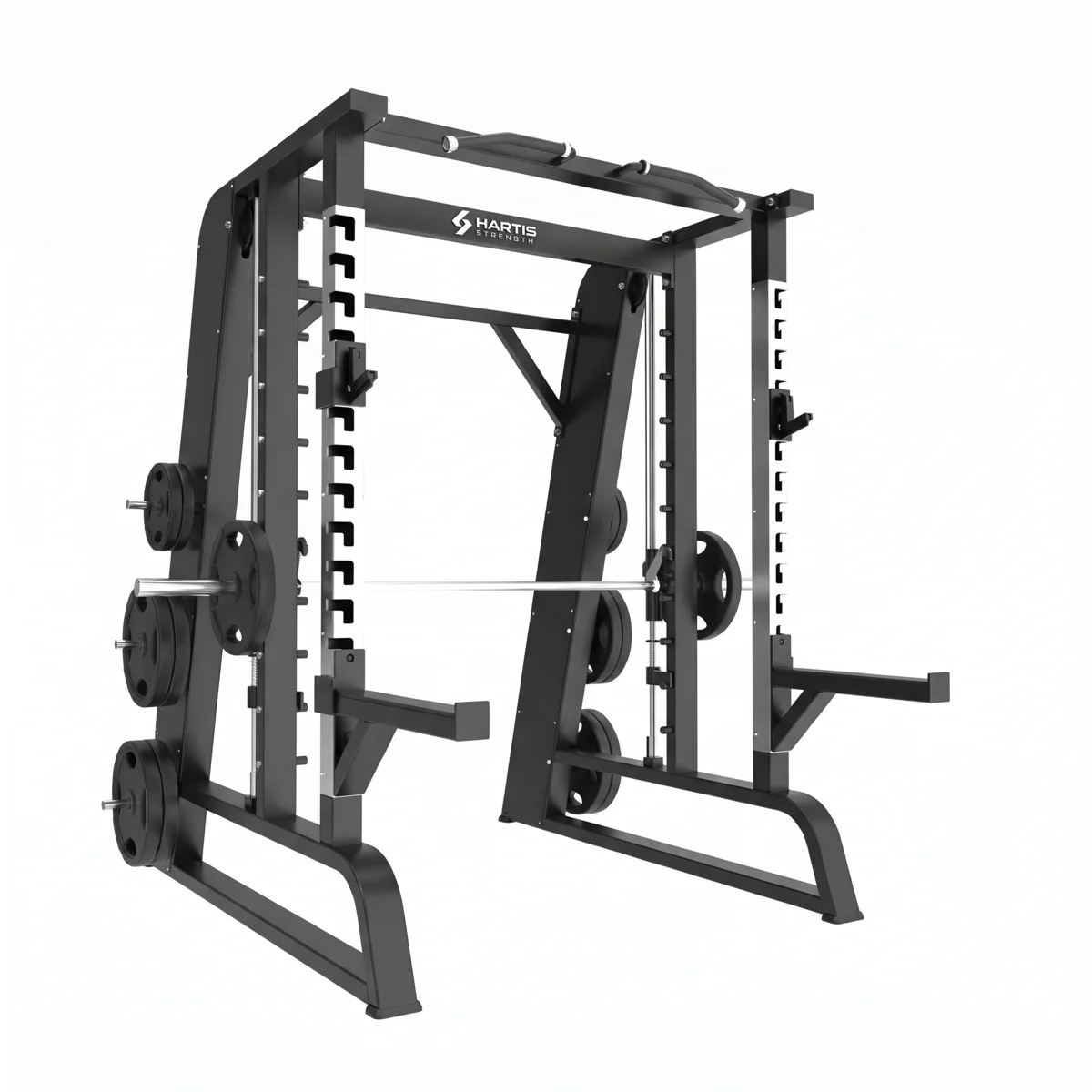
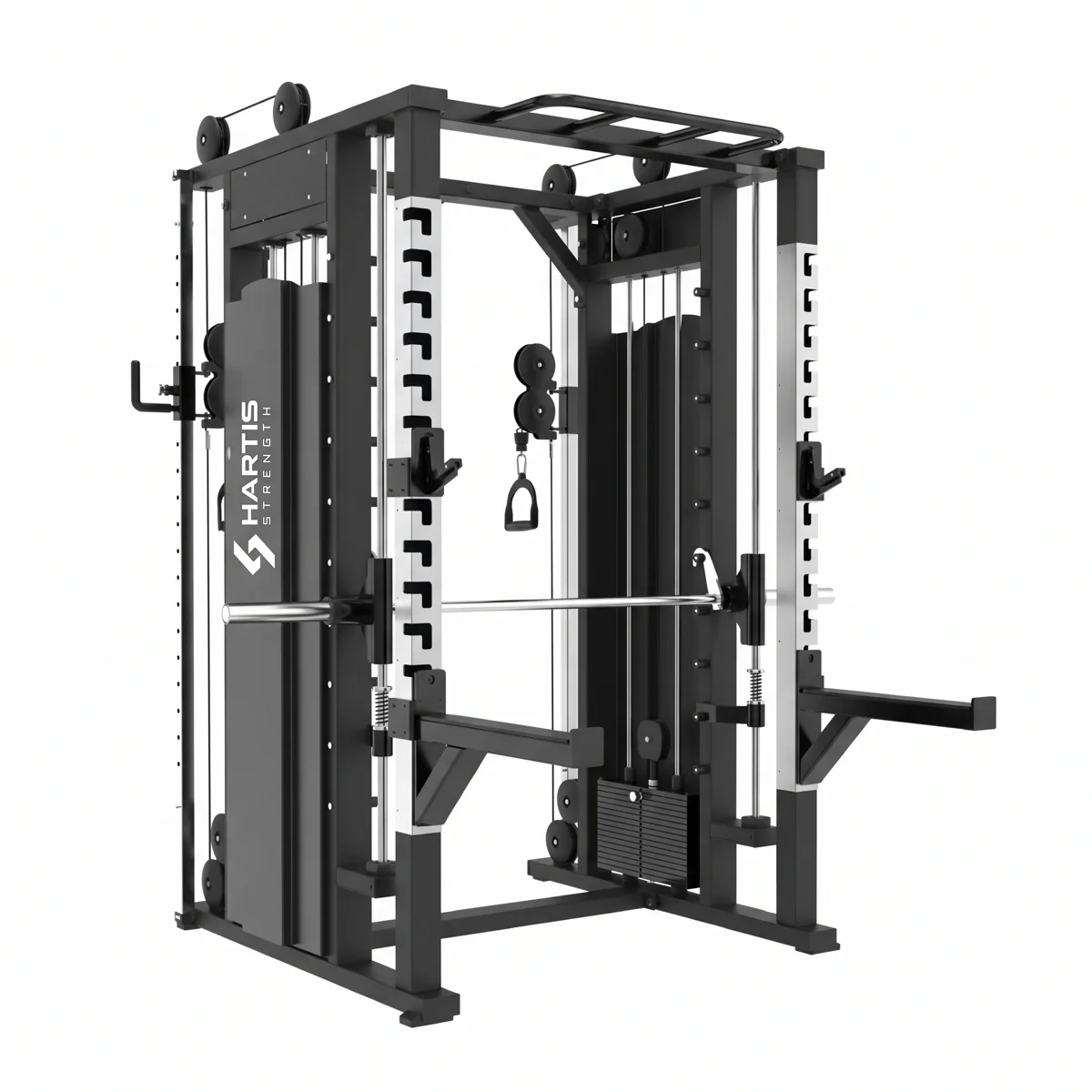
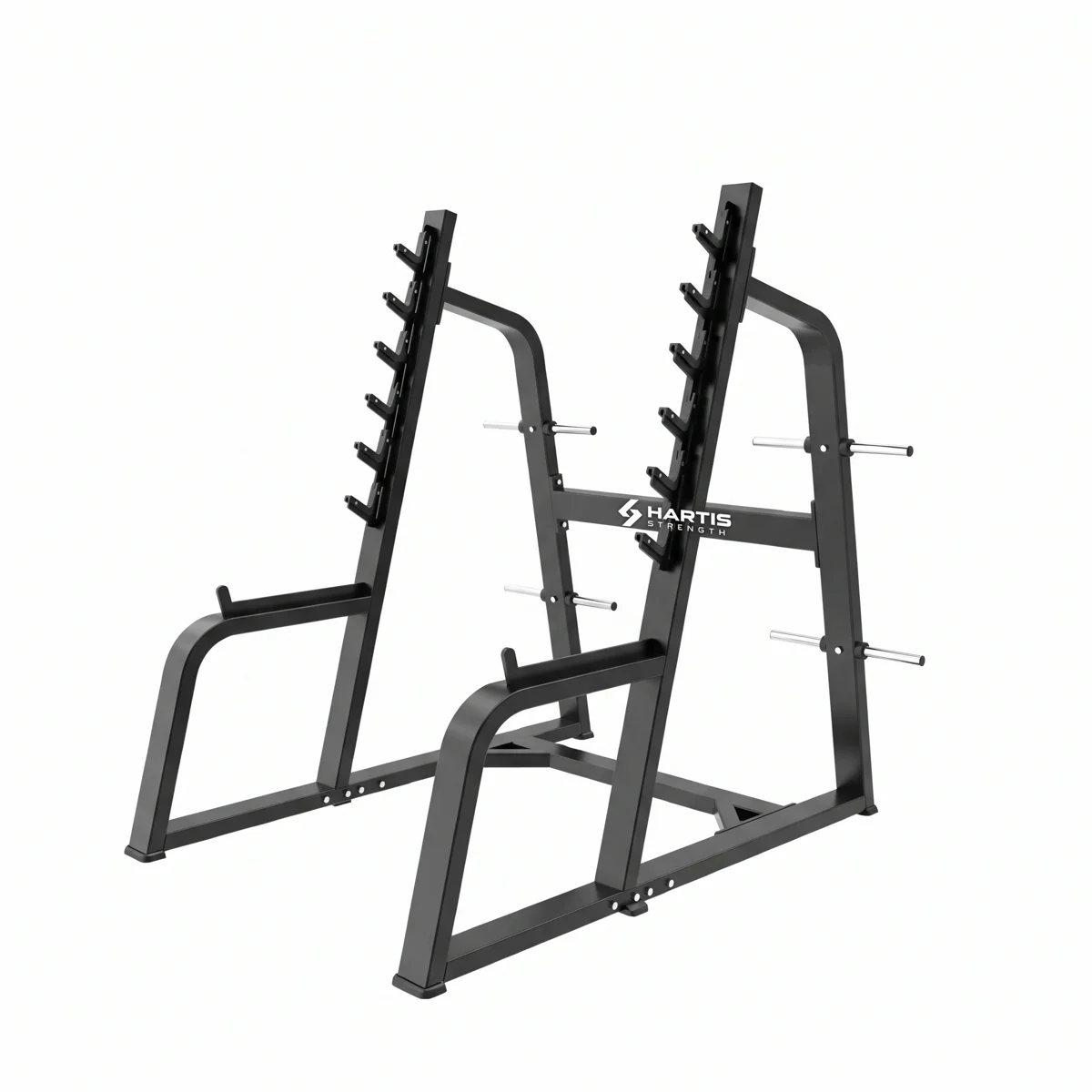
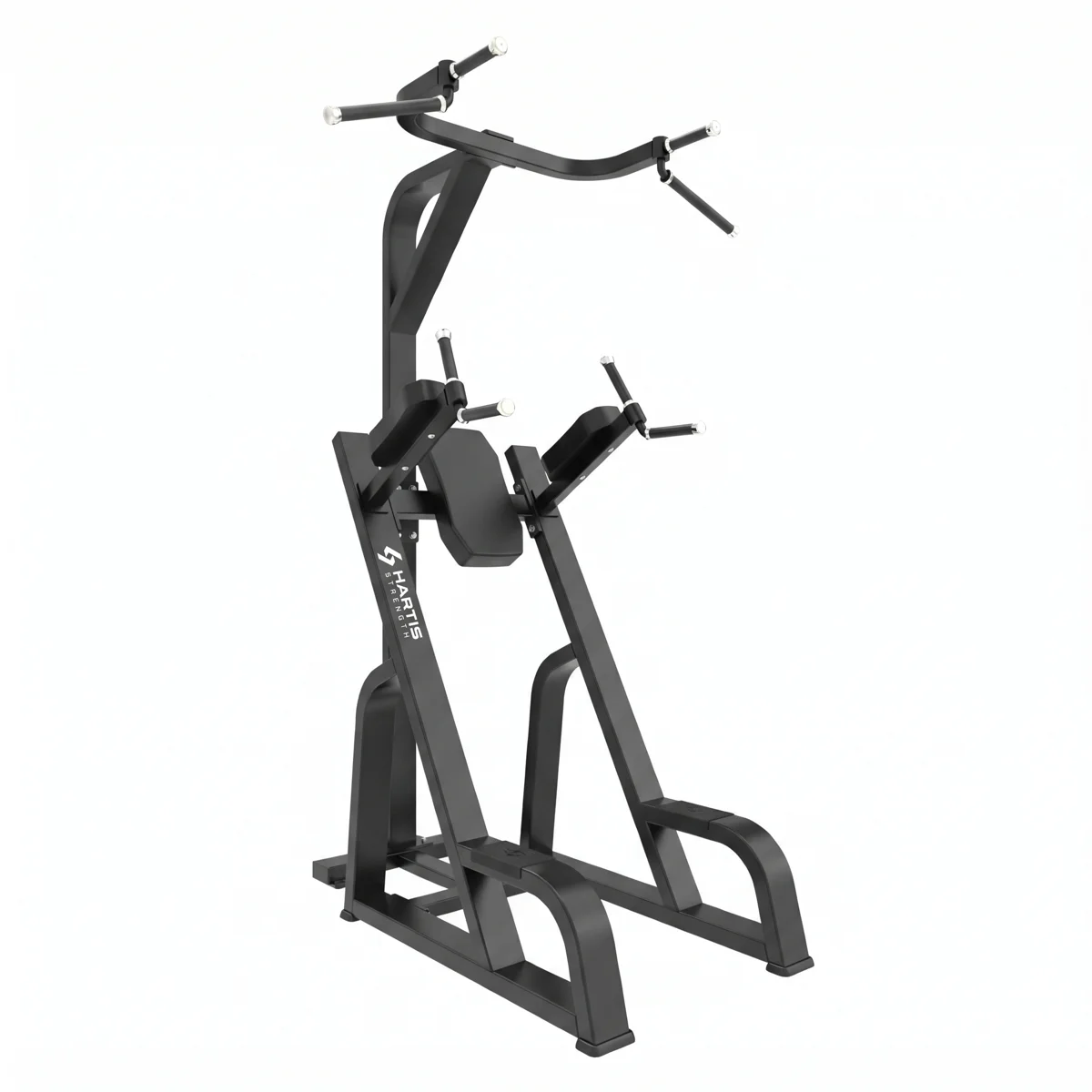
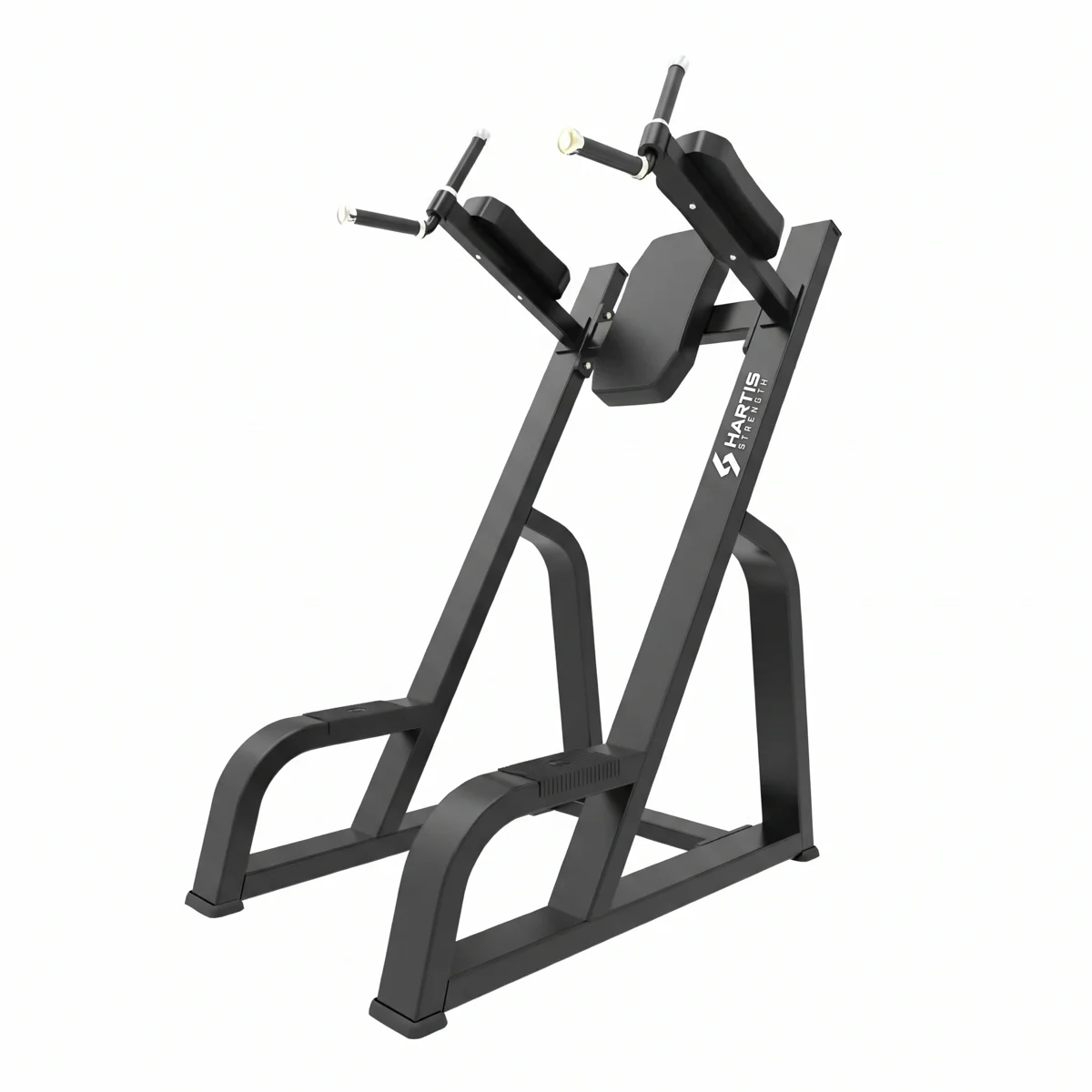
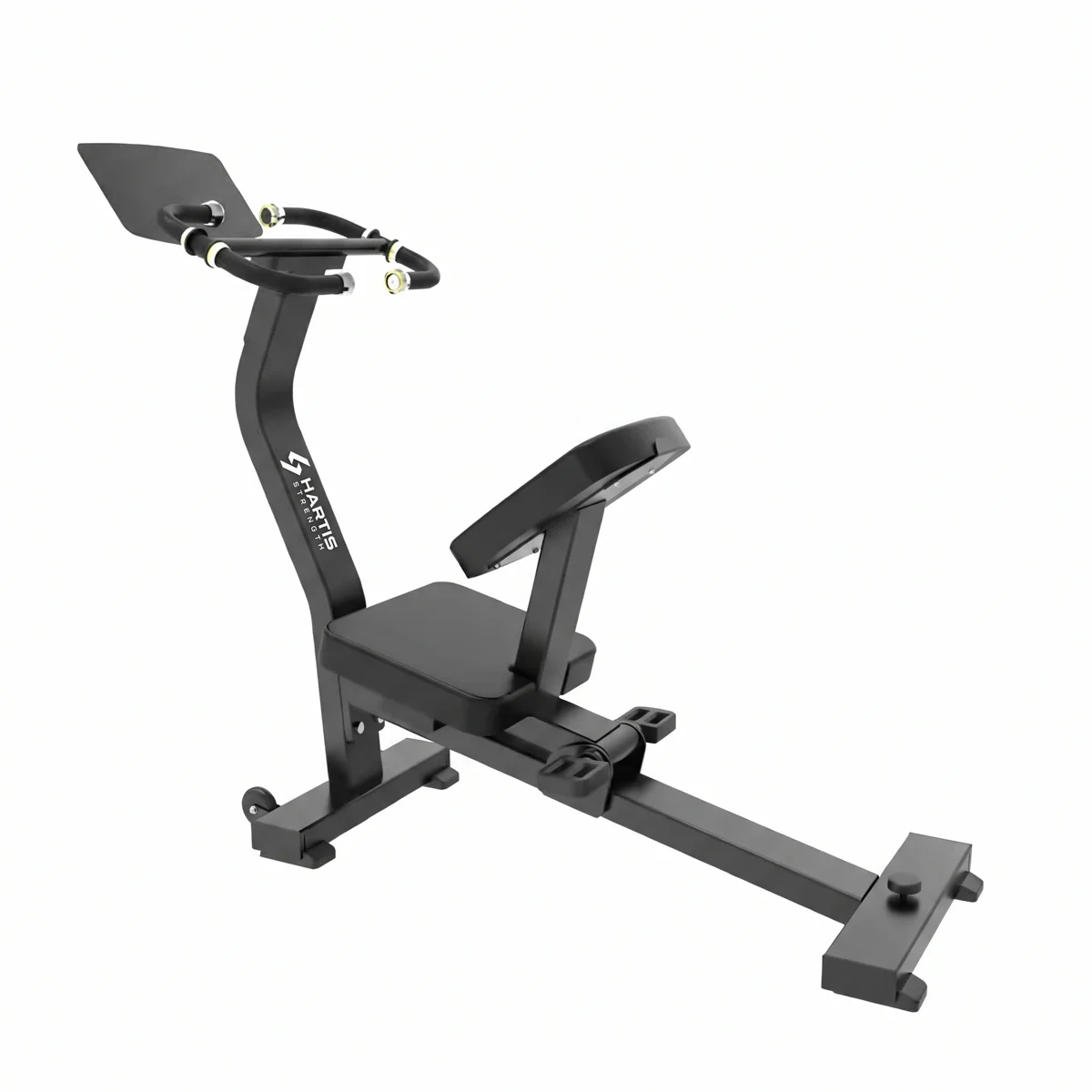
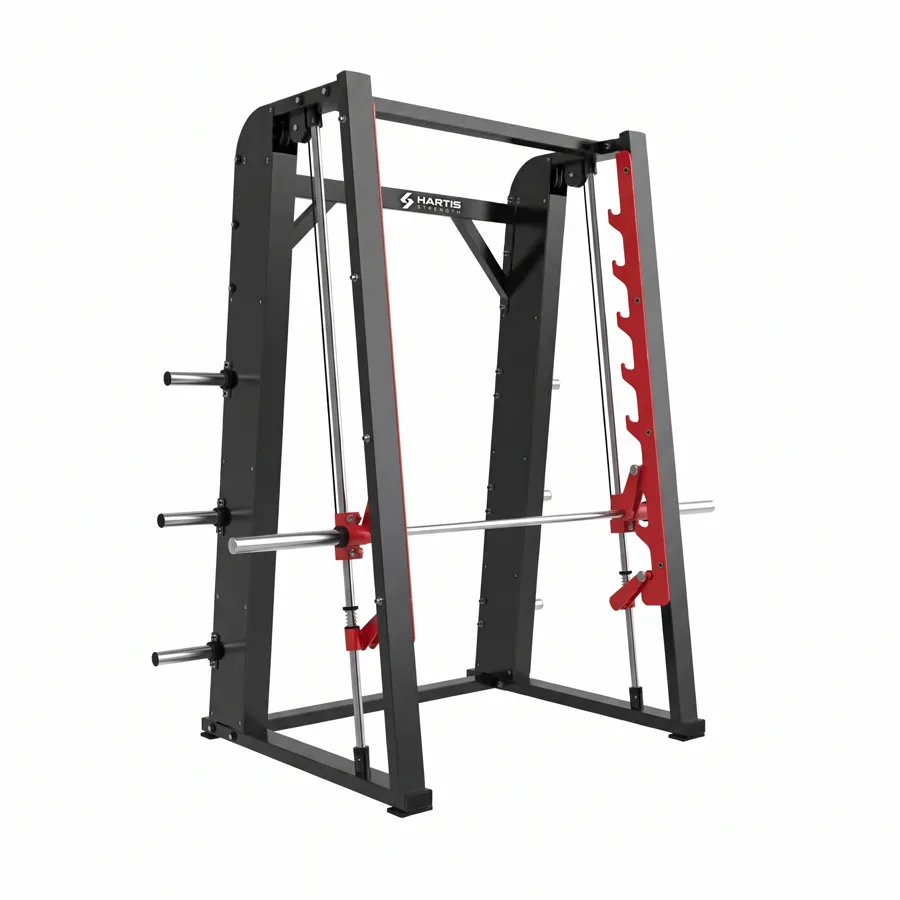
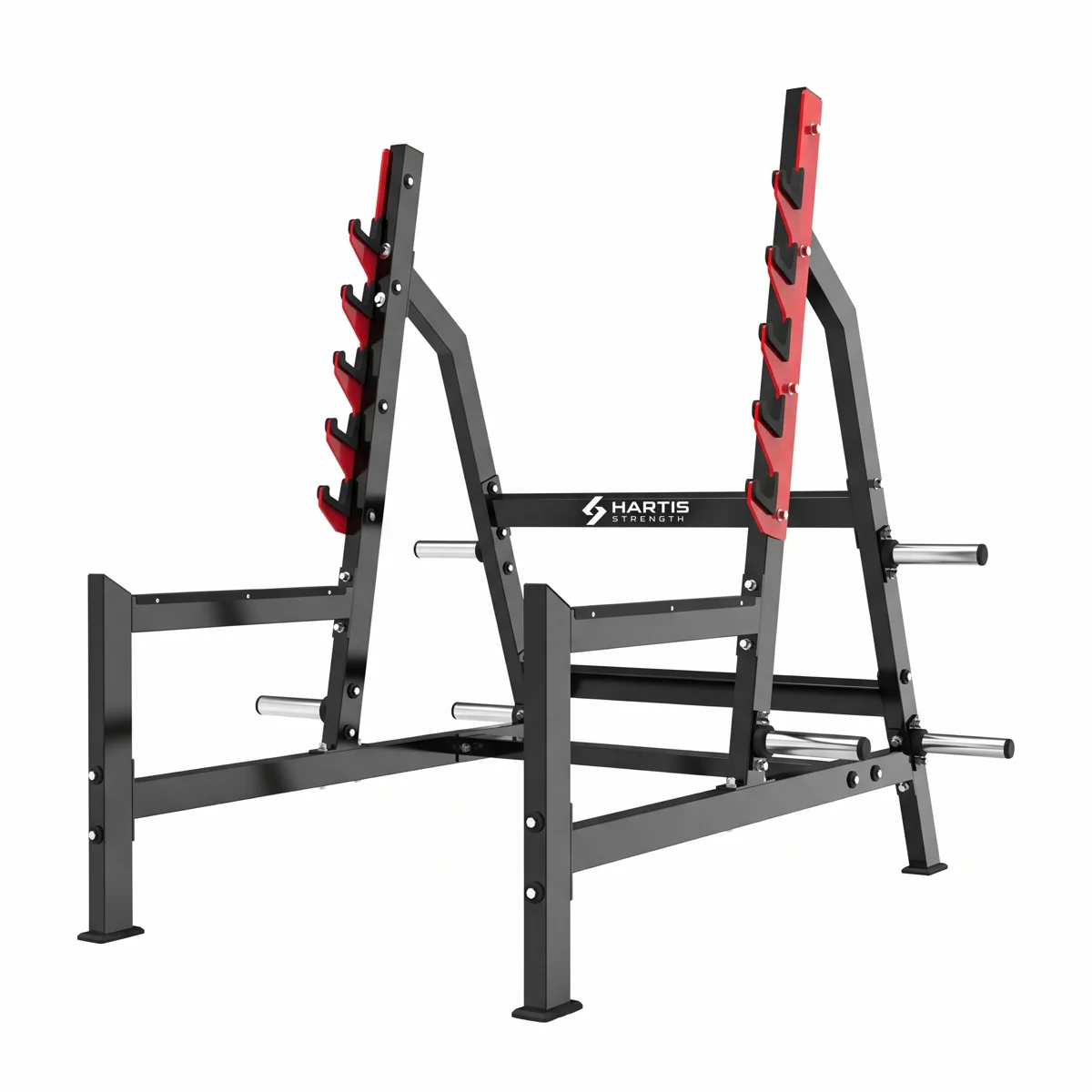
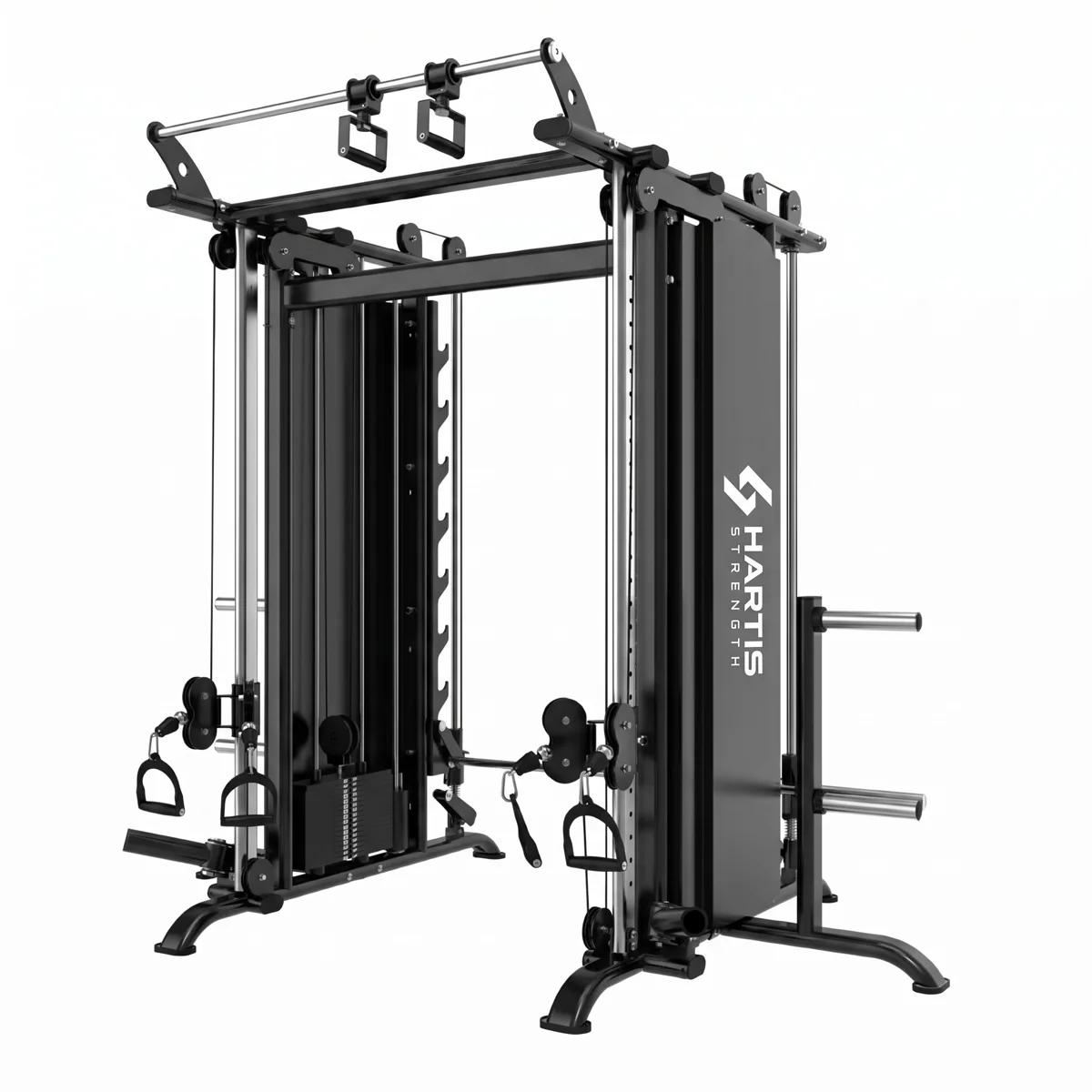
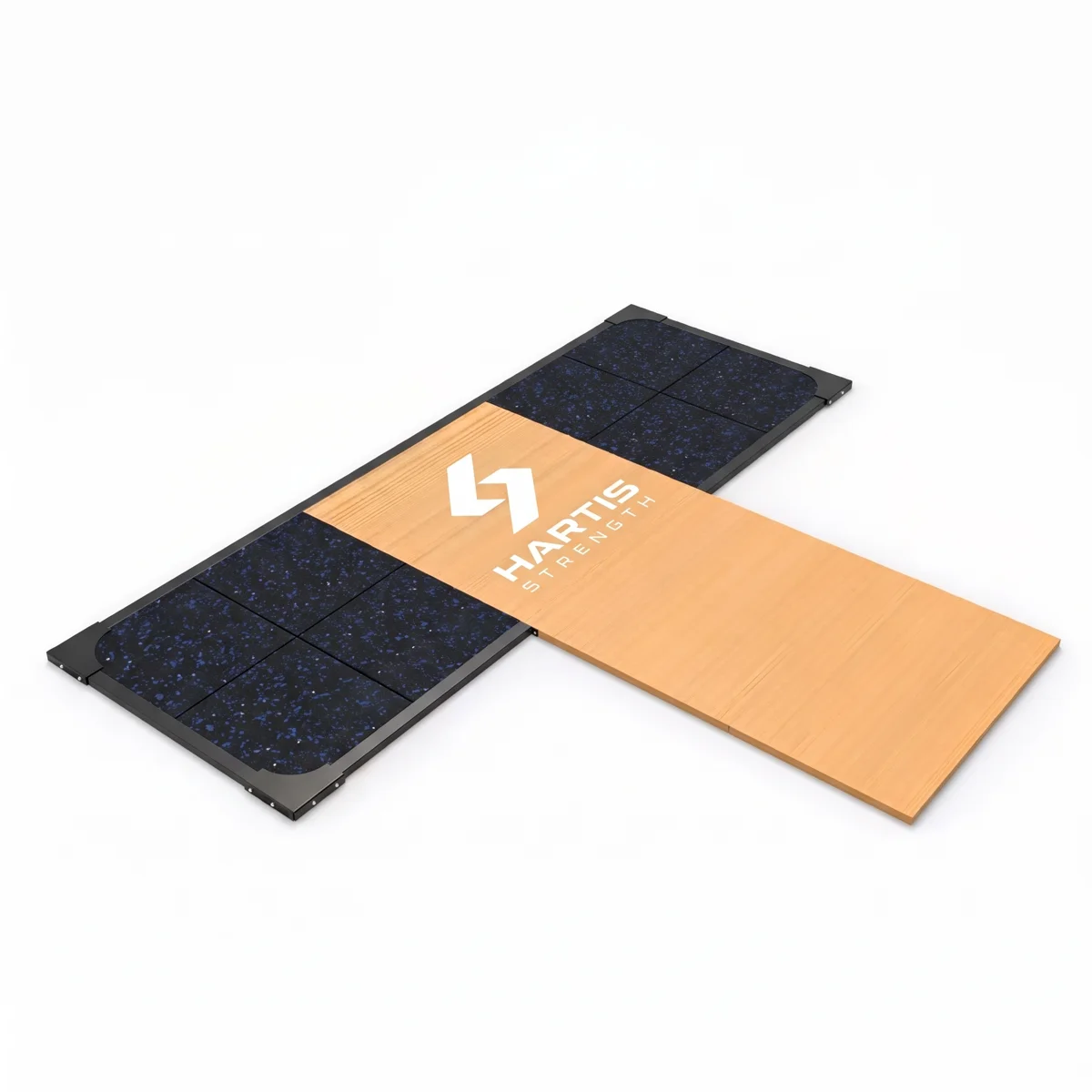
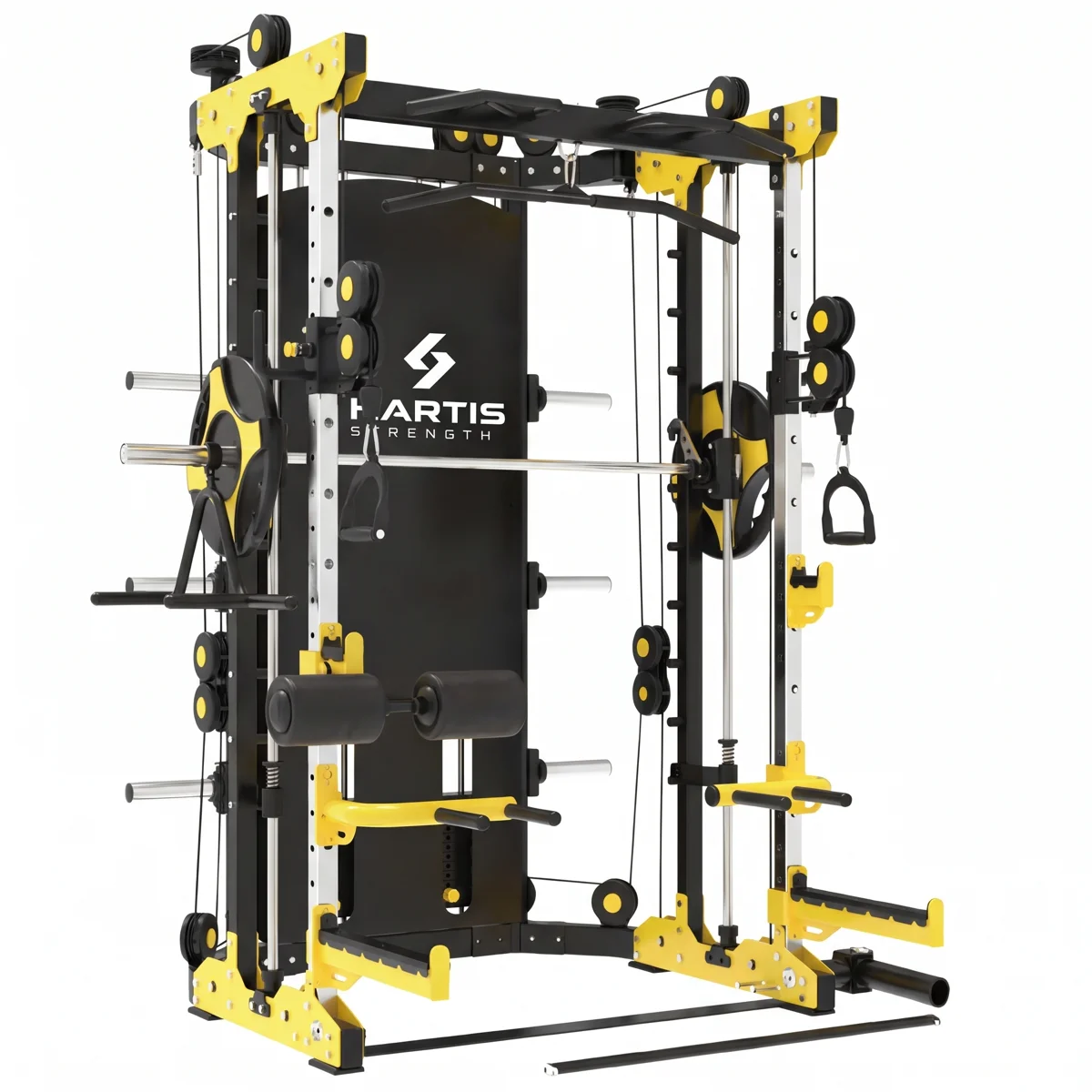

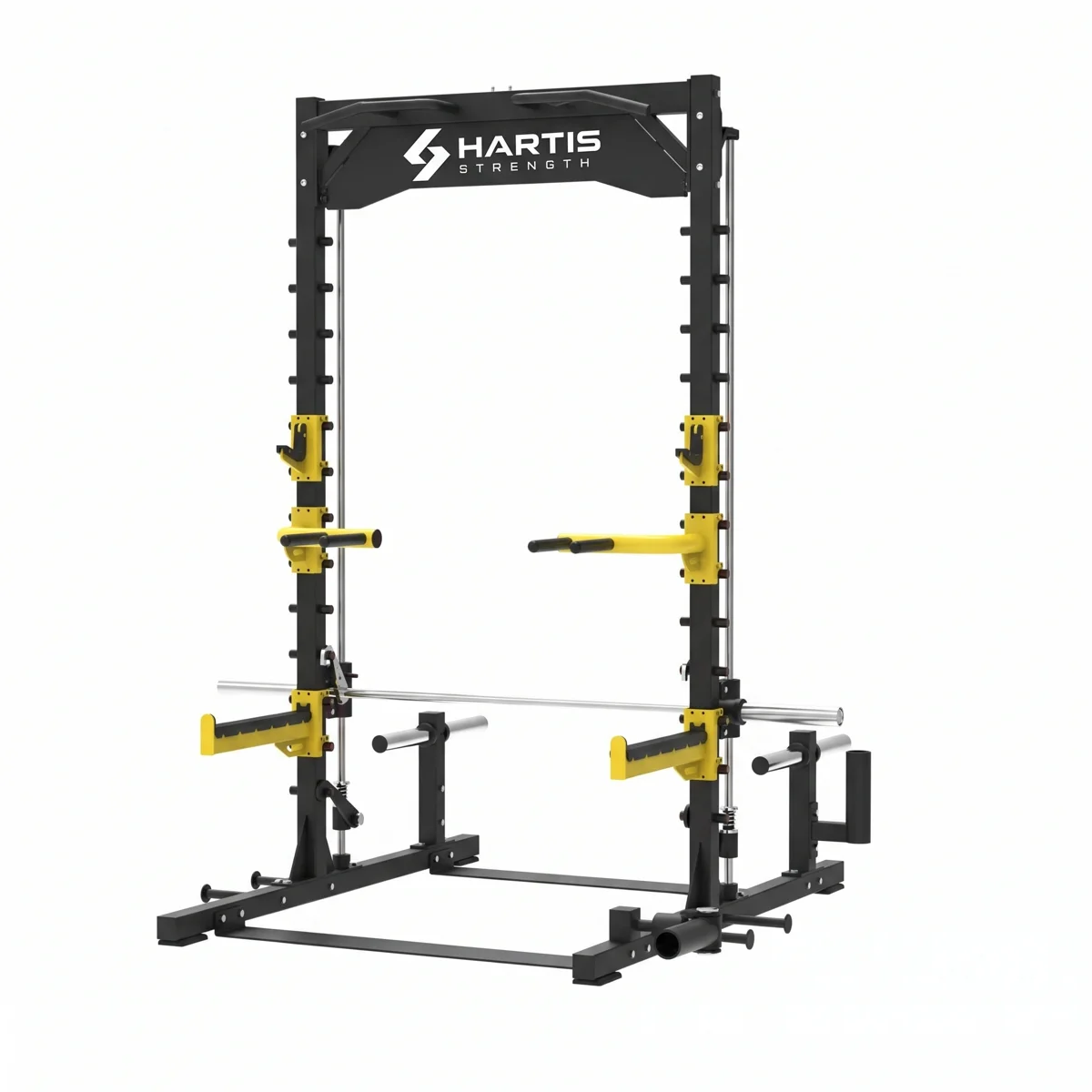
Why racks are the anchor of a free-weight zone.
A rack is the one piece of equipment where a member puts a loaded barbell on their back — and the only thing between them and a failed rep is the safety system. J-hooks that slip, safeties that flex, or uprights that rock under 200 kg do not just damage confidence. They create a liability event. That is why the upright on every HARTIS rack is 100 × 50 × 3 mm tube — not the 60 × 60 × 2 mm section you see on equipment sold to home gyms.
For a gym owner the decision is straightforward. Racks occupy the free-weight zone — the area that defines the gym in the eyes of members who train regularly and pay the most per month. A solid power cage signals that the facility takes strength training seriously. A wobbly cage tells the same story about the owner.
Versatility matters because floor space costs money. A combo rack that handles squats, bench press and pull-ups in one footprint replaces three standalone stations. A Smith machine with a built-in cable column adds guided movement without another machine. The layout maths is simple: fewer stations per square metre means fewer members served, which means less revenue per metre of lease.
Racks also anchor the rest of the equipment plan. Benches roll in and out. Plates live on storage trees nearby. The rack stays bolted to the floor and takes the load — backed by a warranty written per component. Everything else orbits around it.
What the frame
is made of
Every number here is a manufacturing specification, not a marketing claim. Ask for the data sheet on any model and you get it — dimensions, materials, load ratings, bearing references — before you pay anything.
Built for these floors
The free-weight zone defines the gym. Power cages and squat racks are what serious members look for first when they walk the floor.
Multiple racks in rows, running programmed strength sessions for teams. Westside hole spacing and consistent J-hook fit across all models keep changeovers fast.
Squat racks and rigs with pull-up bars, band pegs, and plate storage. Built-in versatility means fewer standalone stations on the floor.
Operational fitness demands racks rated for daily heavy use by rotating cohorts. Bolt-down frames on rubber flooring over concrete — no movement, no maintenance.
Send your floor plan. Get a rack layout with pricing in three working days, free.
Three lines, one floor
Each line addresses a different training need. Frame finish and upholstery colour-match across all lines — your floor looks unified regardless of the mix.
TB series (10 models). The widest rack selection — power cage, power rack, squat rack, Smith machine, 3D Smith machine, Smith & squat combo, functional trainer & squat rack, vertical knee raise, chin-up/dip station, and stretch station.
TS series (3 models). Multifunctional Smith trainers with integrated cable stacks — the heaviest units in the rack range, combining guided barbell movement with dual cable columns in a single footprint.
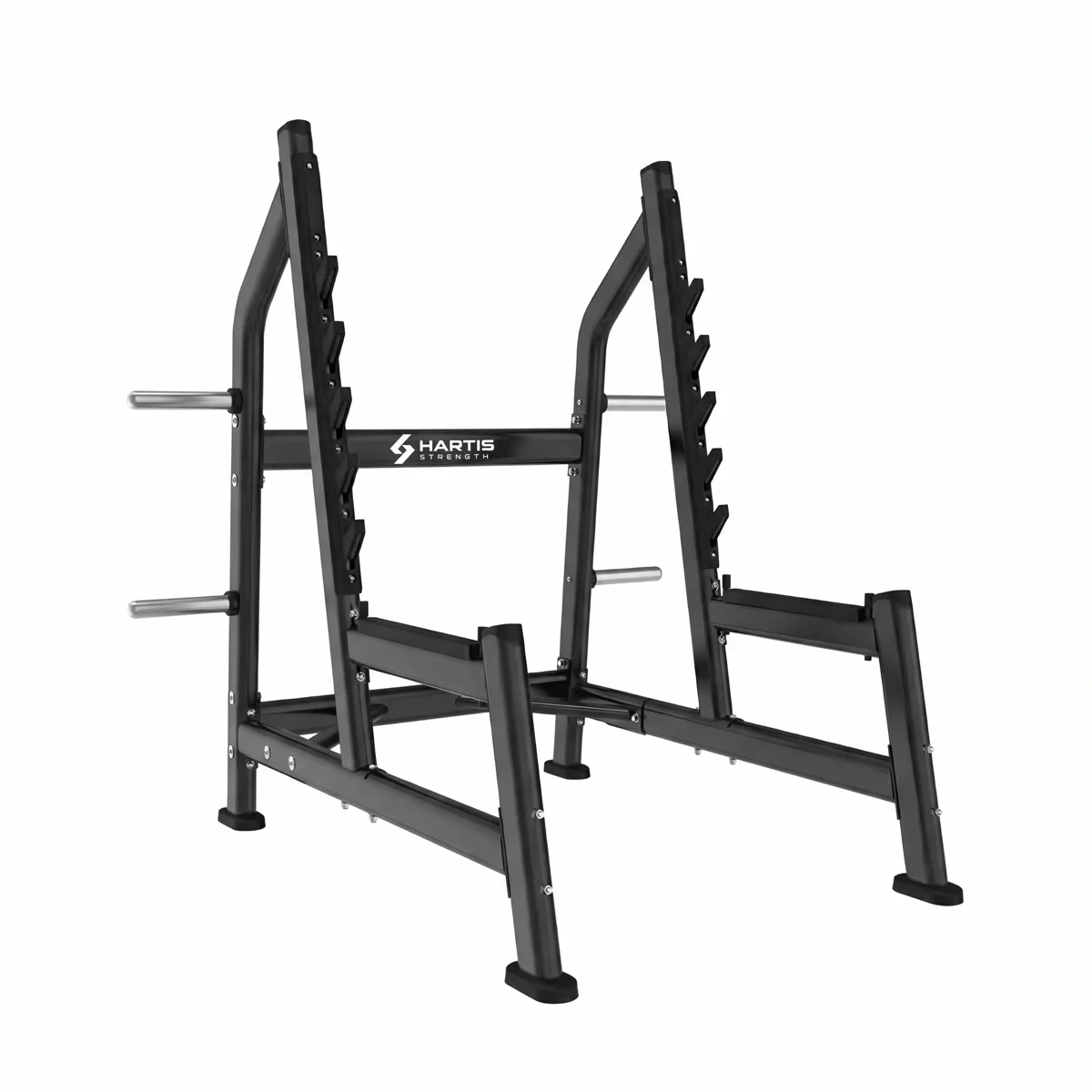
TM series (2 models). A standard Smith machine and an Olympic squat rack — straightforward stations for facilities that need proven, no-frills barbell platforms.
DZ series (2 models). A functional trainer & Smith combo and a heavy-duty lifting platform — specialist stations for facilities that train beyond the standard rack setup.
BH series (1 model). A standalone squat rack — compact footprint, heavy-duty construction, and the same hole spacing as every other HARTIS rack.